


















Technical Rescue Clothing
Protect your workers against heat, flames and abrasions with our technical rescue clothing. At Oroel we ensure the safety of all workers.


Showing all 11 results
-


Firefighter rescue jacket
-
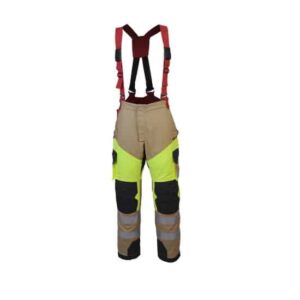
High-visibility multi-risk bib
-


High-visibility multi-risk jacket
-
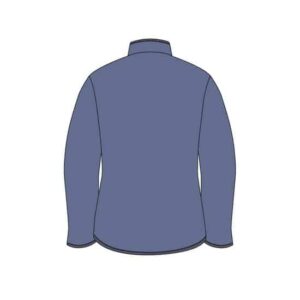
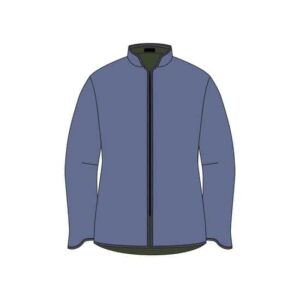
Lightweight technical rescue jacket
-
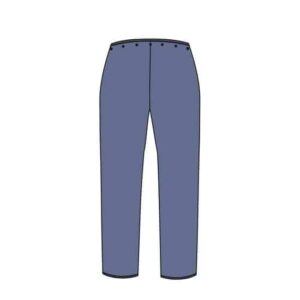

Lightweight technical rescue pants
-


Multi-Hazard Rescue Jacket for Firefighters
-
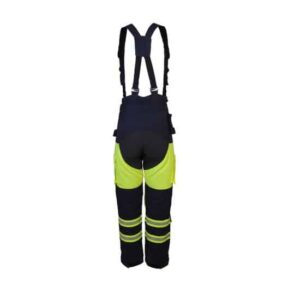
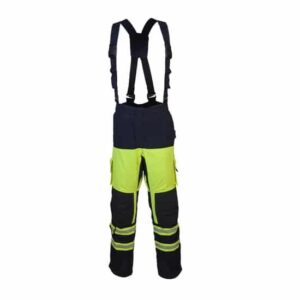
Technical rescue multi-risk bib
-
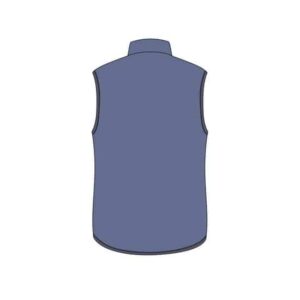

Technical rescue padded vest
-
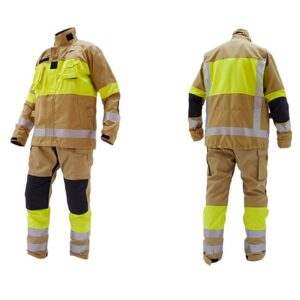
Technical Rescue Set
-
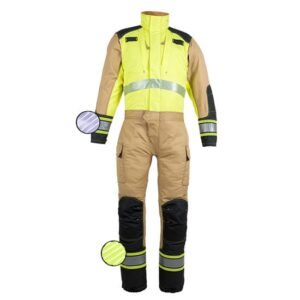
Technical Rescue Suit
-
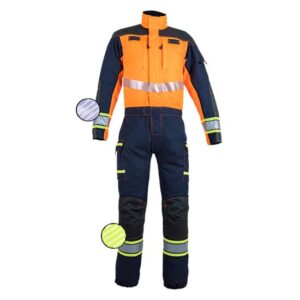
Technical Rescue Uniform
Technical Rescue Clothing Manufacturers
Technical rescue clothing for firefighters is designed to offer maximum protection in complex emergency situations, where the risk of exposure to high temperatures, impacts and abrasive agentsis high. These garments are made with advanced materials that guarantee resistance to cuts, tears and extreme conditions, while ensuring optimal mobility to facilitate rescue maneuvers.
From technical jackets and reinforced pants to full suits and specialized accessories, each piece combines protection, comfort and functionality. Its ergonomic design and lightness allow the user to face long working days without compromising its safety or performance. This type of clothing is essential to respond effectively in technical rescue scenarios, providing the necessary confidence to act in the most critical moments.

Recommended Reading on Rescue Clothing [expand]
What is technical rescue clothing and why is it important?
Technical rescue clothing is a type of specialized clothing designed to protect professionals who intervene in emergency situations and rescues in challenging environments.
These garments are made with advanced materials that offer resistance to wear, thermal protection, and mobility to perform complex maneuvers.
Its importance lies in guaranteeing the safety of the user against risks such as high temperatures, exposure to abrasive or dangerous elements, and possible impacts.
In addition, this type of clothing not only protects the firefighter, but also allows him to perform his duties efficiently at critical moments, safeguarding his well-being while saving lives and property.
Technical rescue clothing is therefore an essential tool for working confidently in the most demanding conditions.

International standards that must comply with this type of garment
At Oroel, technical rescue clothing for firefighters must comply with strict international regulations that guarantee its effectiveness and safety in high-risk situations. These regulations specify the standards of protection, durability and functionality that garments must meet to protect the wearer from thermal, electrical, mechanical and environmental risks.
Below are the main regulations that regulate this type of clothing, along with a brief description of its characteristics:
| Norm | Description |
|---|---|
| EN ISO 11612 | It establishes requirements for protection against heat and flames, ensuring safety in high temperature environments. |
| EN 1149-5 | It regulates antistatic properties, reducing the risk of electric shocks in flammable environments. |
| EN ISO 15384 | It defines the requirements for protective clothing used by firefighters in rescue and firefighting interventions. |
| EN 16689 | Specifies the characteristics of protective clothing for firefighters involved in technical rescues. |
| EN ISO 20471 | Requirements for high-visibility clothing that improves the user's perception in risky conditions. |
| EN 15614 | It establishes requirements for protective clothing designed to withstand fires in outdoor environments. |
Features and materials of technical rescue clothing
This clothing is distinguished by incorporating advanced features that ensure protection and performance in high-risk situations. These garments are designed to withstand extreme conditions, offering a combination of durability, ergonomics and safety.
Among its main features are:
- Fire and Extreme Heat Resistance: Thanks to advanced flame retardant fibers, these garments protect the wearer against flames and high temperatures.
- Antistatic properties: They reduce the risk of electric shock in flammable environments or with the presence of volatile substances.
- Waterproofing and breathability: Special membranes prevent the entry of hazardous liquids while allowing adequate ventilation for the user's comfort.
- High visibility clothing: They comply with standards such as EN ISO 20471, ensuring that the user is easily identified even in low light conditions.
- Lightness and flexibility: Designed to facilitate movement during complex maneuvers, without compromising protection.
As for the materials used, advanced fabrics such as aramid, which offers resistance to heat and cuts; nomex, ideal for protecting against flames and chemicals; and membranes such as Gore-Tex, which combines waterproofing and breathability. These innovations allow technical rescue clothing to not only protect against risks, but also provide comfort and confidence in the most demanding environments.
Frequently Asked Questions About Technical Rescue Clothing
Technical rescue clothing is indicated to assist in traffic accidents, access structures that are collapsed or carry out rescue operations in the absence of fire. In general, technical rescue clothing temporarily protects against possible sudden fires that may occur in this type of intervention, but it has not been specifically designed for firefighting tasks.
However, the protective suits we manufacture at Oroel are multi-risk and protect the wearer in any situation.
In general, technical rescue clothing is not suitable for fighting structural or forest fires, situations of exposure to chemical substances, water rescues, or situations that require chainsaw work. In these cases, it is necessary to have PPE manufactured specifically for this type of task.
A differentiating factor of Oroel's technical rescue clothing is its multi-risk function. They have been manufactured to be effective in rescue operations, but also in firefighting and as protection against forest fires.
Technical rescue clothing does not include a requirement for convective heat, but it does include contact heat, which is not included in these standards.
In addition, different tests are required for mechanical resistance and resistance to penetration of blood-borne pathogens
Yes, visibility elements are mandatory and must meet the thermal and high visibility requirements indicated in different sections of the EN 16689 standard.