















Arc Flash Clothing
Our arc flash protective clothing is designed to guarantee maximum safety against electric shocks and thermal risks, adapting to the needs of professionals in the electrical, industrial and maintenance sectors. With materials certified according to EN 61482, our garments form an effective barrier against high temperatures and the energy released in the event of an electric arc.



Showing 1–20 of 41 results
-

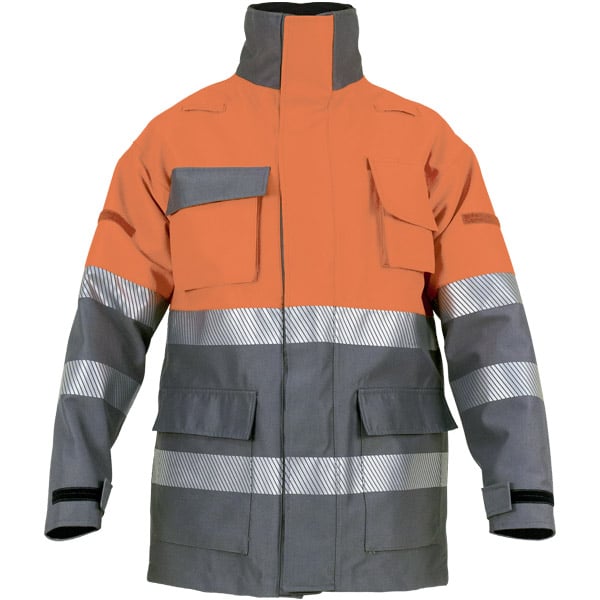
Arc flash closed jacket
-


Arc flash jacket Class 2
-
Basic electric arc parka Class 2
-
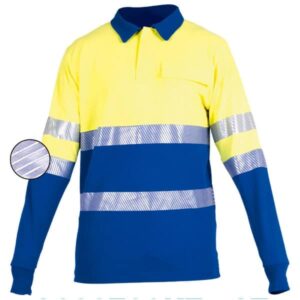
Blue and yellow long sleeve polo shirt
-

Blue electric arc suit, zipper, velcro
-

Blue flame retardant and antistatic closed jacket
-

Blue zip-up jacket with snaps
-

Closed anti-arc flash gown
-

Closed jacket with electrical protection
-

Closed protective trousers with zipper and button
-

Closed-back shirt that is reflective against electric arc flash
-

Dark blue closed-toe trousers with zipper and button
-

Dark closed-toe trousers with retro-reflective legs
-

Double-layer jacket closed with zipper and velcro
-

Electric arc t-shirt
-

Electrically insulated multi-pocket sweatshirt
-

Grey and blue arc flash suit
-
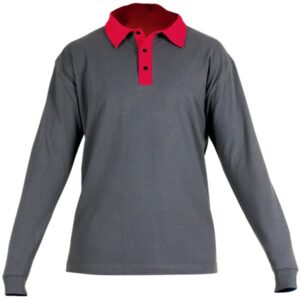
Grey and red long sleeve polo shirt
-


High visibility electric arc coat Class 2
-
High visibility electric arc parka Class 2
What is arc flash clothing and what is it for?
Arc flash clothing is a type of protective clothing designed to minimize damage caused by accidental electric shocks. These garments form a barrier that protects the worker from the high temperatures, radiation, and pressure generated during an arc flash. Its use is essential in sectors such as electricity, industry and maintenance, where there is a risk of exposure to this phenomenon.
In addition to reducing the impact of burns, arc flash protective clothing complies with international standards, such as EN 61482, ensuring that it has passed rigorous tests, such as the arc flash test (open arc) and the box test (constricted arc).
Types of arc flash protective clothing
Arc flash protective clothing includes a wide variety of garments designed to minimize the impact of electric shock and its thermal consequences. From complete equipment to specific accessories, each garment is designed to ensure safety in high-risk electrical environments.
Full suits and protective coveralls
Ideal for electricians and industrial workers, protective coveralls provide full coverage against burns and sparks. Its design integrates reinforced seams and heat-resistant closures, offering safety in extreme situations.
Certified vests, jackets and trousers
This wardrobe combines protection and comfort. Certified jackets and trousers, with multi-hazard fabrics, are essential to protect the areas most exposed to an electric arc shock.
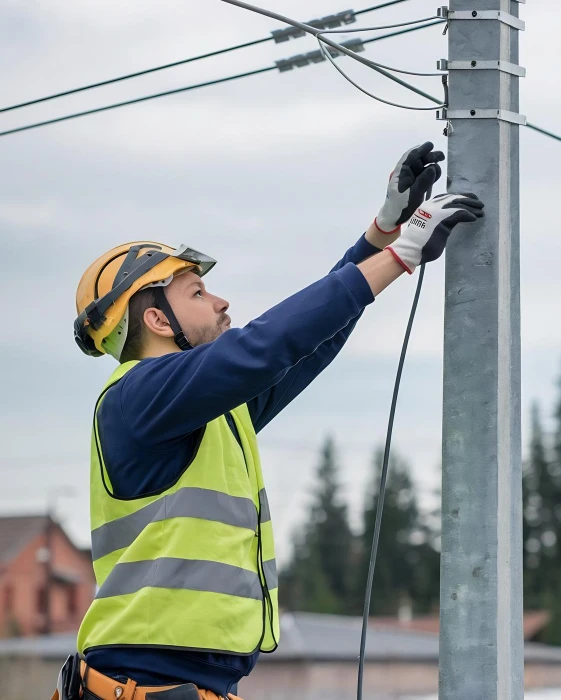
Gloves and complementary PPE
Dielectric gloves and safety glasses complement body protection, minimizing risks of burns to the hands and face while working with electrical equipment.
Benefits of wearing arc flash certified workwear
The use of certified arc flash clothing is essential to protect the safety and health of workers exposed to electrical hazards. These garments not only comply with safety regulations, but also offer advantages that directly impact accident prevention and work productivity.
Protection against shocks and burns
The main benefit of arc flash clothing is its ability to withstand extreme heat and radiation generated during a shock. Garments certified under the EN 61482 standard offer an effective barrier against severe burns.
Comfort and mobility during the working day
Thanks to advanced fabrics and ergonomic designs, workwear combines protection and comfort, allowing workers to carry out their work with freedom of movement, even on long days.
Multi-risk garments for different activities
Many of the certified equipment not only protect against arc flash, but are also antistatic, high-visibility and chemical-resistant, covering multiple occupational hazards.
Industries that need arc flash clothing
Arc flash clothing is essential in sectors where the risk of electric shock is high. This specialized clothing protects workers from burns, explosions, and other damage from an electric arc. From electrical operators to renewable energy technicians, each sector has specific needs that require certified garments adapted to their occupational hazards.
| Sector | Description | Examples of garments |
|---|---|---|
| Electricity sector | It includes generation, distribution and electrical maintenance. High risk of exposure to electric arcs during maneuvers or repairs. | Protective coveralls, certified jackets, dielectric gloves. |
| Chemical and petrochemical industry | High probability of explosions or fires. Multi-hazard clothing is essential to prevent damage from electric arcs and heat. | Multi-risk parkas, heat-resistant gloves, protective pants. |
| Wind and renewable energy | Wind turbine or solar panel technicians, with a risk of electric shock during installation and maintenance. | Jumpsuits with electrical protection, helmets with visors, dielectric gloves. |
| Rail Telecommunications | Work on railway electrical networks or telecommunications towers, with a risk of electric arcs and electrocutions. | Dielectric suits, safety boots, high visibility jackets. |
Safety regulations for arc flash clothing
| Regulations | Description | Applications |
|---|---|---|
| EN 61482 (Arc Flash Protection) | It assesses the arc flash resistance of garments using two methods: - Open Arc Test (ATPV or EBT) - Box Test (Class 1 and Class 2) | Clothing for electricians, network maintainers and workers in the energy sector. |
| ISO 11612 (Heat and flame protection) | It certifies protection against convective, radiant and contact heat, complementing protection against electric arcing. | Multi-risk clothing, high protection clothing for chemical and petrochemical industries. |
| EN 1149 (Antistatic Protection) | It sets the requirements for the dissipation of electrostatic charges, reducing the risk of sparks and explosions. | Clothing for work in flammable areas, gas, oil and explosives industries. |
| Regulation (EU) 2016/425 (CE Certification for PPE) | It requires category III PPE to be certified and evaluated by notified bodies. Includes clothing against electric arc. | Applicable to all protective clothing placed on the EU market, especially category III (life-threatening risks). |
- EN 61482 (Arc Flash Protection): This standard is the main reference for arc flash protective clothing. Classify the garments according to their level of resistance:
- Open Arc Test (EN 61482-1-1): It measures ATPV (Arc Thermal Performance Value) and EBT (Energy Breakopen Threshold).
- Box Test (EN 61482-1-2): It classifies garments into Class 1 (4 kA) or Class 2 (7 kA) according to their strength.
- ISO 11612 (Heat and flame protection): Key standard for multi-risk clothing. It evaluates resistance to convective, radiant and contact heat, protecting the worker from burns.
- EN 1149 (Antistatic protection): Important for explosive or flammable environments. Prevents the build-up of static electricity and minimises the risk of sparks.
- Regulation (EU) 2016/425 (CE Certification): It is the legal requirement for placing protective clothing on the market in the EU. It includes the classification of clothing as category III for mortal or irreversible risks.
We are manufacturers of workwear.
Frequently Asked Questions About Arc Flash Protection
An electric arc could be defined as a "jump" of electric current through the air, from one conductive element to another. During an electric arc, temperatures of thousands of degrees Celsius can occur, which are capable of melting metal elements that are nearby.
ATPV (Arc Thermal Performance Value): It is the amount of thermal energy that a garment can withstand before the wearer suffers second-degree burns. The higher the ATPV, the higher the protection.
EBT (Energy Breakopen Threshold): It is the amount of energy that causes tissue to break. Indicates the strength of the material before it opens under the heat of the electric arc.
In short:
If EBT > ATPV, the garment prioritizes avoiding tears.
If ATPV > EBT, the garment is designed to withstand intense heat.
Multi-risk clothing: Protects against several hazards at once: heat, flame, electric arcs, chemicals, and electrostatic charges. It is suitable for multi-hazard environments, such as the chemical or petroleum industry.
Arc flash protective clothing: It is specialized in resisting high temperatures and thermal energy generated by the electric arc. Its priority is to protect the wearer from severe burns in electrical environments.
- Washing: Follow the manufacturer's instructions. Wash at moderate temperatures and avoid bleaches or fabric softeners, which can reduce flame protection.
- Inspection: Regularly check the garment for wear, tears, or loss of safety seams.
- Storage: Store clothes in a dry place protected from direct sunlight to prevent deterioration of the fabrics.
- Substitution: If you detect damage, replace the garment immediately. A damaged garment loses its protective capacity.
The duration of protective clothing varies depending on the frequency of use and maintenance.
- Regular (daily) use: From 12 to 24 months, depending on the quality of the fabric and the level of exposure.
- Sporadic use: It can last longer, but it's crucial to check it before each use.
Signs to renew it:
- Loss of certified protection after the maximum number of washes recommended.
- Loss of elasticity or deformation.
- Visible wear or tears.