

















Heat Fire Protection Clothing
Protect your workers against heat, flames and metal splashes with our heat and fire clothing. At Oroel we ensure the safety of all workers.


Showing all 7 results


Manufacturers of heat and fire protection clothing
This type of clothing is specifically designed to provide reliable defense against the dangers of high temperatures, flames, and molten metal splashes. This type of equipment not only protects against extreme heat and the risks associated with contact with intense thermal sources, but also ensures safety in industrial environments where fire and heat are constant threats. Made from state-of-the-art materials, these garments create an effective barrier that resists heat without sacrificing the wearer's mobility.
From camisoles and trousers to full suits and specialist vests, each garment is designed to provide all-round protection, while ensuring the comfort needed for extended working days. Lightweight, ergonomic and resistant, the fire and heat resistant clothing becomes your best ally in demanding working conditions, allowing you to carry out your tasks with maximum confidence and safety.

The importance of protecting against fire and heat
Heat and fire protective clothing worn by workers exposed to these hazards needs to be lightweight and with a very high level of protection against radiant and contact heat.
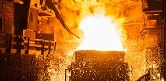
At Oroel we have flame-resistant workwear that, by creating barriers against the large splashes of molten metals that occur in the metallurgical industry, will keep the worker more comfortable than with other suits, creating an optimal protection product.
The heat protection products you can find at Oroel have all the heat and fire resistance approvals and protect forestry operators and firefighters from the countless risks associated with fire.
Currently the selection includes splash protection fire protection clothing that has been tested using the protection standards EN ISO 11612 and EN ISO 11611. Our splash guard clothing is designed for better fit and mobility.

A proper fire wardrobe will increase the occupational safety of the operators and will increase their performance thanks to the increase in resistance of the products against flames.
International regulations that these garments must comply with
At Oroel, we are committed to safety and compliance with the strictest international standards in heat and fire protective clothing. Not only do our garments offer maximum protection in high-risk environments, but they also meet globally recognized standards, ensuring that wearers work in safe conditions and protected from multiple hazards.
Below, we present a table that details the regulations that our garments comply with and their meaning:
| Norm | Description |
|---|---|
| EN ISO 11612 | It defines heat and flame resistance requirements, preventing damage from high temperatures. |
| EN ISO 11611 | Ensures protection in welding and related processes against molten metal splashes and radiant heat. |
| EN 1149-5 | It certifies the antistatic properties, preventing the accumulation of electricity that can generate dangerous sparks. |
If you want to learn more about these regulations and this type of workwear you can look at this PDF on fire and heat clothing
Is it important to comply with the EN 11612 certification?
Complying with EN ISO 11612 certification is not only a desirable measure, but a crucial necessity to ensure the safety of workers exposed to thermal hazards. This regulation sets out the minimum requirements that protective clothing must meet to resist heat and flame in hazardous work environments, such as the metallurgical, chemical, petroleum and forestry industries. Below, we explore the reasons why this certification is critical.
Comprehensive protection against thermal hazards
EN ISO 11612 certification ensures that garments have been tested and approved to offer protection against different types of heat, including:
- Convective heat: generated by the transfer of heat through the air.
- Radiant heat: emitted by a high-temperature source, such as furnaces or industrial machinery.
- Contact heat: when in direct contact with hot surfaces.
Legal Compliance and Employment Liability
Many occupational safety regulations in countries around the world require employers to provide personal protective equipment (PPE) that complies with international standards such as EN ISO 11612. Failure to comply with this certification may result in legal penalties, risks of serious accidents, and associated financial losses. In addition, guaranteeing certified clothing reinforces the ethical responsibility of companies towards their employees.
Peace of mind for workers
When employees know that their protective clothing complies with the EN ISO 11612 standard, they feel safer and more confident in their work environment. Not only does this improve your well-being, but it also increases your productivity by eliminating concerns about the effectiveness of your protective equipment.
Trust and business reputation
Wearing certified clothing not only protects workers, but also reinforces the company's reputation as an employer committed to safety and regulatory compliance. This can be a differentiating factor in competitive sectors where quality certifications are synonymous with professionalism and responsibility.
Frequently Asked Questions About Heat Fire Wear
Heat and fire protective clothing protects against the risks arising from exposure to heat and flames (burns) in their different forms:
- Fire
- Contact heat
- Convective heat
- Radiant heat
- Small splashes
It is recommended that, to complete the protection against heat and fire, the appropriate PPE is used to protect the head, face, hands and feet. On specific occasions, respiratory protective equipment is also necessary.
All garments that comply with the EN ISO 11612:2015 standard must be marked with the codes A1 and/or A2 and, also, with an additional code that corresponds to the letters B, C, D, E or F, followed by a number that will indicate the level of performance achieved within each requirement.
- A1 and/or A2: Test method for flame propagation.
- B Convective heat (1-3).
- C Radiant heat (1-4).
- D Cast aluminium splashes (1-3).
- E Cast iron splashes (1-3).
- F Contact heat (1-3).
In addition, codes that are associated with additional properties and have been tested must be included in the pictogram.
If a protective suit against heat and fire is needed, we can find two modalities:
- A single garment that can be a robe or jumpsuit.
- A card made up of two pieces (jacket and pants). The length of the jacket must overlap with the top of the pants.
All the necessary accessories (hood, neck curtain, apron, arm warmers, gaiters, etc.) must also comply with current regulations.
Materials such as Nomex, Kevlar or high-performance flame retardant mixtures offer the best protection against dry heat and flames, as they are fire-resistant, lightweight and maintain their properties even under extreme conditions.
Fire clothing is known as flame retardant clothing or fire-resistant clothing, specifically designed to protect against flames, intense heat, and other thermal hazards.