

















Chemical Protective Clothing
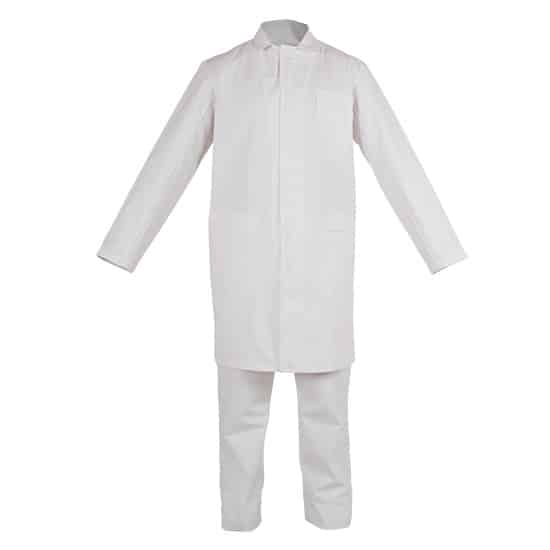
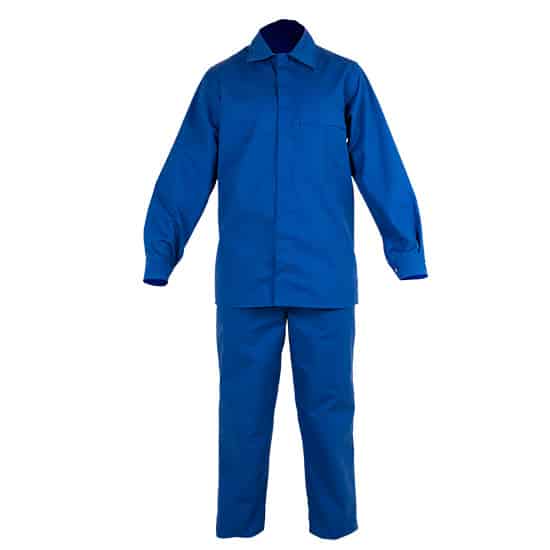
Chemical protective clothing is a fundamental element in the occupational safety of sectors exposed to hazardous substances. Its function is to prevent skin contact with corrosive liquids, toxic particles and chemical vapors, reducing the risks of irritation, burns and absorption of harmful substances.
In this category you will find clothing certified under regulations such as EN 13034 and EN 14605, designed to offer resistance, durability and comfort in high-risk environments.
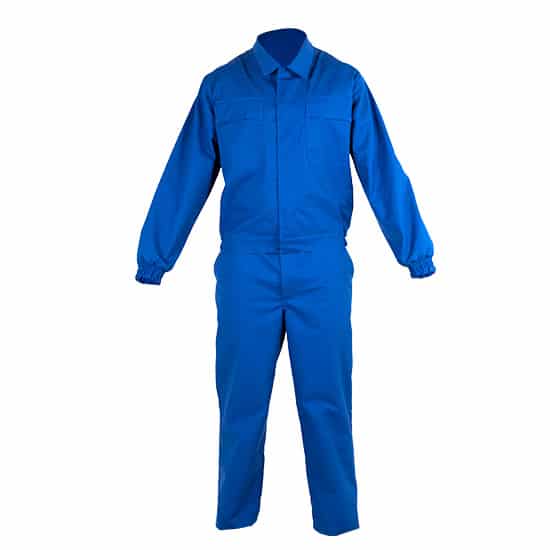

Showing all 5 results


What is chemical protective clothing?
Chemical protective clothing is designed to act as a barrier against dangerous substances that can cause skin damage, poisoning, or respiratory problems. Depending on the level of exposure and the type of substance, there are different categories of protection ranging from splash resistance to total impermeability against corrosive gases and liquids.
Chemical protective suits must comply with specific regulations that ensure their effectiveness in different work environments. Among them, the following stand out:
- EN 13034 → Protection against splashes of low-pressure liquid chemicals.
- EN 14605 → Protection against chemical liquids in the form of a jet or spray.
- EN 943-1 → Hermetic protection against hazardous gases and vapours.

Types of Chemical Protective Suits and Their Safety Levels
Chemical protective clothing is classified into different types depending on the level of exposure faced by workers. Choosing the right suit depends on factors such as the nature of the chemicals, the physical state of the substance (liquid, gas, aerosol, or particle), and the exposure time.
| Type of protection | Description | Example of use |
|---|---|---|
| Type 1 | Gas-tight suits with autonomous air supply. Maximum protection against toxic gases and vapours. | Chemical emergencies, petrochemical industry, firefighters. |
| Type 1a | Airtight suits with breathing equipment inside the suit. | Use in environments with high concentration of toxic gases. |
| Type 1b | Airtight suits with breathing equipment outside the suit. | Rescue operations and handling of hazardous chemicals. |
| Type 1c | Airtight suits with internal positive pressure. | Chemical and nuclear industry, handling of volatile gases. |
| Type 2 | Non-airtight ventilated suits. They offer protection against hazardous aerosols but allow air to enter. | Chemical, pharmaceutical and food industry. |
| Type 3 | Liquid-tight suits with protection against high-pressure jets. | Industrial cleaning, handling of aggressive chemicals. |
| Type 4 | Suits with protection against sprayed liquids. | Application of pesticides, chemical laboratories. |
| Type 5 | Protection against suspended solid particles (dusts and aerosols). | Pharmaceutical industry, handling of toxic fibres and dusts. |
| Type 6 | Limited protection against accidental splashes of liquids. | Laboratories, maintenance with low chemical risk. |
| PB [3] and PB [4] | Partial body protection with type 3 and 4 materials. | Low-exposure chemical applications. |
| PB [6] | Partial protection of the body with type 6 materials. | Laboratories and industrial cleaning. |
Safety regulations for chemical protective clothing
To ensure effective protection against hazardous substances, chemical protective clothing must comply with international regulations governing materials, design, and levels of protection.
| Regulations | Description | Application |
|---|---|---|
| EN 13034 | Protection against splashes of low-pressure liquid chemicals. | Chemical industry, laboratories, solvent handling. |
| EN 14605 | Protection against chemical liquids in the form of a jet or spray. | Industrial cleaning, handling of aggressive chemicals. |
| EN 943-1 | Airtight protection against hazardous gases and vapours. | Petrochemical industry, chemical emergencies. |
| EN 13982-1 | Protection against suspended solid particles. | Pharmaceutical industry, handling of toxic fibres and dusts. |
| EN 1149-5 | Electrostatic protection to prevent electric shocks. | ATEX zones, handling of flammable products. |
Industries where chemical protective clothing is used
Chemical protective clothing is indispensable in multiple industries where workers are exposed to hazardous substances. Its use is mandatory in environments where corrosive liquids, toxic gases, polluting particles or chemical aerosols are handled, guaranteeing safety and reducing the risks of exposure.
Chemical industry
The specific substances to which workers may be exposed and any interactions (in the case of multiple substances). There are general disposable products and some specific disposable protection products that help us deal with this type of hazard, and that complement the protection of PPE.
Proper maintenance ensures the wearer's safety and the effectiveness of the clothing in protecting against chemical hazards.
Laboratories and pharmaceutical sector
The handling of chemicals and biological agents in laboratories requires protective suits against particles, aerosols and liquids. In these cases, Type 4, 5 and 6 suits are used, which guarantee adequate protection without compromising the comfort of the wearer.
Petrochemical industry
Refineries and petrochemical plants involve risks of exposure to flammable gases and toxic substances. In these environments, the use of Type 1 and 2 suits is essential, as they offer airtight protection against hazardous vapours.
Emergencies and firefighters
Emergency crews and firefighters use specialized chemical protective suits to intervene in hazardous product spills, explosions, or toxic gas leaks. Type 1 ET and 1C suits are best suited as they include self-contained breathing systems and high thermal resistance materials.
Construction and mining industry
The use of adhesives, paints, and chemicals on construction sites and excavations requires protective clothing against aerosols and toxic particles. In these sectors, Type 4 and 5 suits are the most commonly used to avoid direct contact with harmful substances.
Industrial cleaning and disinfection
Industrial cleaning operators are exposed to disinfectants, corrosive cleaning products, and fumigations with harsh chemicals. For these jobs, Type 3 and 4 suits are essential, as they provide protection from hazardous chemical liquids and vapors.
In each of these sectors, choosing the right level of protection is key to minimising risks and ensuring worker safety.
Care and maintenance of chemical protective clothing
For chemical protective clothing to remain effective and comply with safety regulations, proper maintenance is essential. The deterioration of the material can compromise its ability to protect, so it is recommended to carry out periodic inspections and apply specific cleaning and storage measures:
Pre- and post-use inspection
- Check that there are no tears, perforations or damaged seams.
- Check that seals, snaps and sealed zippers are working properly.
- Inspect valves and airtight materials in gas protective suits.
Cleaning and disinfection
- Always follow the manufacturer's instructions to avoid damage.
- Wash with warm water and neutral detergents, without abrasive products.
- Use specific decontamination systems if you have been in contact with hazardous substances.
- Consider immediate replacement if the garment has been exposed to highly corrosive chemicals.
Proper storage
- Store in a dry and ventilated place, protected from sunlight and heat sources.
- Avoid contact with chemical substances or sharp materials that may damage the fabric.
- In airtight suits, store spread, avoiding folds that may weaken the material.
Service life and replacement
- Follow the expiration date indicated by the manufacturer on disposable suits.
- Replace reusable suits if they show signs of degradation or loss of chemical resistance.
- Replace immediately upon contact with aggressive chemicals that may compromise the integrity of the material.
Frequently Asked Questions About Chemical Clothing
Chemical protective clothing must comply with regulations such as:
EN 1149-5 → Electrostatic protection to prevent electric shock.
EN 13034 → Protection against splashes of low-pressure liquid chemicals.
EN 14605 → Protection against chemical liquids in the form of a jet or spray.
EN 943-1 → Hermetic protection against hazardous gases and vapours.
EN 13982-1 → Protection against suspended solid particles.
To choose the right chemical protective clothing, the following should be considered:
The regulations that the suit must comply with depending on the sector and application.
The type of chemical you will be working with (liquids, vapors, aerosols).
The duration of exposure and the level of risk.
The type of protection required, from splashes to toxic gases.
The most commonly used materials include:
Multi-layer laminated fabrics → Effective barrier against liquids and vapours.
Polyethylene and polypropylene → Resistant to chemicals and light.
Kevlar and Nomex → High thermal resistance and fire protection.
Reusable suits → Made from durable materials, they offer long-lasting protection and can be decontaminated after use. Disposable suits → Designed for single uses or short-term exposures, preventing the accumulation of hazardous substances in the garment.
The requirements for different types of chemical protective clothing and suits are defined in harmonised standards that have been developed by the European Committee for Standardisation on behalf of the European Commission. They establish different types of costumes depending on their standard requirements:
UNE EN 943-1:2003
- 1a: Against gases and vapours. Hermetic.
- 1b: Against gases and vapours. Hermetic.
- 1c: Against gases and vapours. Airtight and at positive pressure.
- 2: Against gases and vapours. Non-airtight and at positive pressure.
UNE EN 943-2:2002
- 1a-ET: Against gases and vapours. Airtight, intended for emergency teams.
- 1b-ET: Against gases and vapours. Airtight, intended for emergency teams.
UNE EN 14605:2005+A1:2009
- 3: Against liquids in the form of a jet.
UNE EN 14605:2005+A1:2009
- 4: Against sprayed liquids
UNE EN 13982-1:2005
- 5: Against suspended solid particles
UNE EN 13034:2005+A1:2009
- 6: Against splash liquids
UNE EN 14605:2005+A1:2009
- PB [3] and PB [4]: Partial protection of the body. Type 3 and 4 material
UNE EN 13034:2005+A1:2009
- PB [6]: Partial protection of the body. Type 6 material.
The EN 13034 standard provides for the protection of clothing against splashes of these chemical liquids: sulphuric acid (soluble in water at a concentration of 30%), caustic soda (soluble in water at a concentration of 20%), xylene and butanol.
At Oroel we are manufacturers of protective clothing against chemical risks. If you want to protect your workers with the greatest safety and comfort on the market, do not hesitate to contact us through info@oroel.com and we will inform you of everything.